Permanent Synod of the Syro-Malabar Church
The Permanent Synod of the Syro-Malabar Church is a stable body of bishops that assists the
Major Archbishop in the governance of the Church between the sessions of the Synod of
Bishops. Rooted in the synodal tradition of the Eastern Churches and regulated by the Code of
Canons of the Eastern Churches (CCEO cc. 115–120), the Permanent Synod expresses the
ecclesiology of communion and shared responsibility in hierarchical governance. It is composed
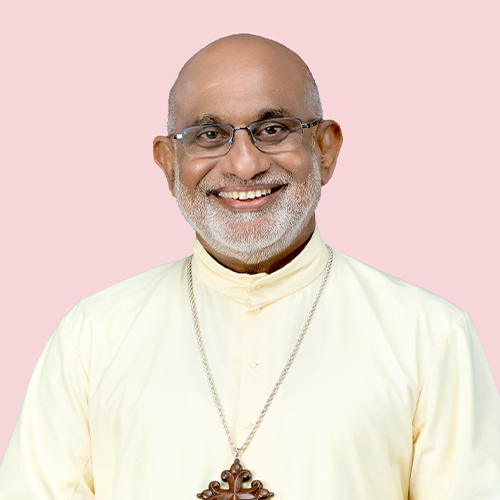
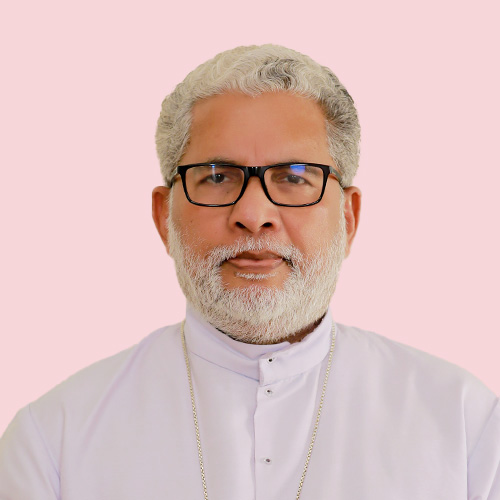
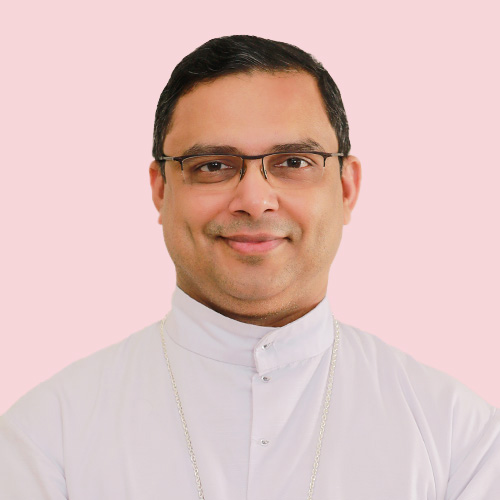
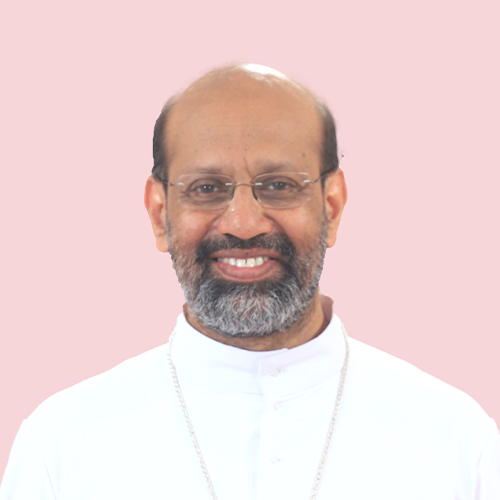
of the Major Archbishop, who presides over it, and four bishops: three elected by the Synod of
Bishops for a five-year term and one appointed by the Major Archbishop, according to the norms
of the CCEO and the Particular Law of the Church.
The Permanent Synod is to be convoked at stated times and whenever the Major Archbishop
judges it necessary. Its consent or counsel is required in matters determined by common law or
particular law, especially in important administrative decisions, acts of extraordinary
administration, and other affairs of major significance to the Church. While it does not replace
the Synod of Bishops, which remains the supreme authority of the Church, the Permanent Synod
ensures continuity in governance and provides collegial assistance to the Major Archbishop in
the ordinary administration of the Church.
According to the Particular Law of the Syro-Malabar Church, the norms regarding election,
functioning, quorum, and procedural matters are clearly defined so as to safeguard transparency,
collegiality, and effective participation. The Permanent Synod thus stands as an important
instrument of synodal governance, fostering unity, responsibility, and orderly administration
within the Syro-Malabar Church, in fidelity to the ancient canonical tradition and the provisions
of the CCEO.



.jpg)
.jpg)
.jpg)
.jpg)